Nova Scotia Duck Tolling Retriever Dog
As a designer and embroidery product reviewer, I’ve seen my fair share of digital files—some that feel like masterpieces, others that look like they were rushed through a printer. Nova Scotia Duck Tolling Retriever Dog from KayBee SVGs falls into the former category. It’s a design that feels thoughtfully crafted, with a clean aesthetic and a clear visual identity that makes it stand out in a crowded market.
The First Impression
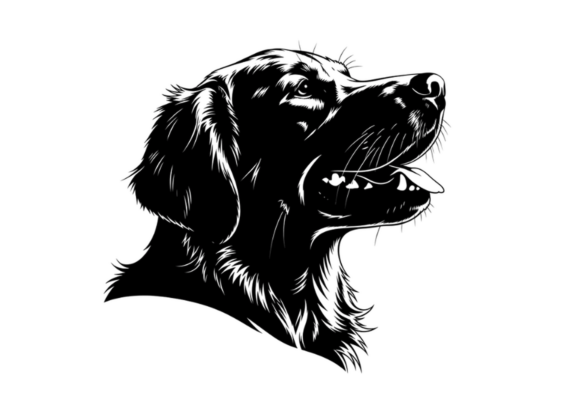
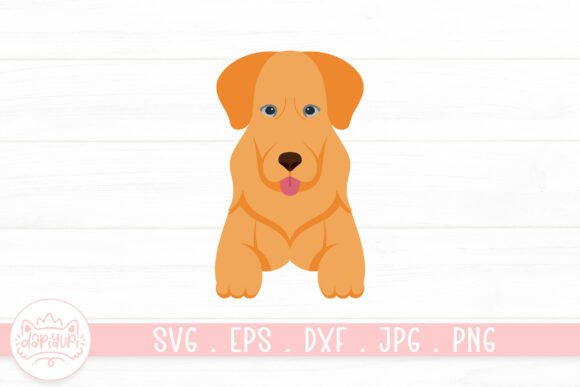
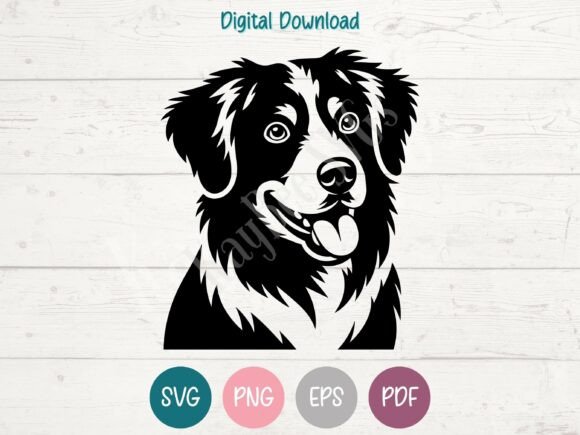
From the moment I opened the file, I was struck by the clarity and balance of the Nova Scotia Duck Tolling Retriever Dog. The illustration is simple yet expressive, capturing the essence of the breed without overcomplicating the details. The layout is well-structured, making it easy to place on a variety of items. The shape and theme suggest a friendly, approachable character—perfect for projects that aim to evoke warmth and familiarity.
The design has a subtle personality that feels both modern and timeless. It’s not overly detailed, which is a relief for those who want to avoid stitch complexity. Instead, it relies on strong lines and a consistent style that works across different mediums. This makes it ideal for handmade products, personalized gifts, or even commercial embroidery projects where consistency matters.
Real-Life Embroidery Scenarios
Testing Nova Scotia Duck Tolling Retriever Dog on a custom tote bag design gave me a good sense of how it would perform in real-world use. The design translates well onto fabric, maintaining its visual appeal even when stitched at a moderate size. For a tote bag, it’s the perfect scale—large enough to be noticeable but not overwhelming.
When used on sweatshirts or t-shirts, the design holds up nicely, especially when using a combination of satin stitch and fill stitch. The stitch density is balanced, so it doesn’t appear too heavy or too light. For baby clothes, the simplicity of the design is a big plus—it’s safe for little ones and easy to match with other elements in a nursery decor set.
On caps and hats, the design also performs well, though I’d recommend using a stabilizer to prevent distortion. The curves of the design are smooth, but they can be tricky on stretchy fabrics. A proper hoop size is essential here to keep everything tight and centered.
Where to Use It Carefully
While Nova Scotia Duck Tolling Retriever Dog is versatile, there are some situations where caution is needed. On small hoop sizes, the design may require splitting into sections, which can complicate the process. For textured fabrics or thin materials, the design might not show up as clearly, so testing is key.
On dark fabrics, the design may need a contrasting thread color to ensure visibility. If you're planning to use it on layered garments or curved surfaces, be prepared to adjust the placement and test the outcome. Tiny lettering or intricate corners could get lost in dense stitch areas, so it’s best to review the design closely before committing to a project.
Impact on Visual Appeal and Value
One of the strongest aspects of Nova Scotia Duck Tolling Retriever Dog is its ability to elevate the visual appeal of any finished product. Whether it's an embroidered patch, a pillow cover, or a holiday gift, the design adds a touch of personality that resonates with customers. It’s the kind of detail that can turn a basic item into something memorable.
For small business owners and Etsy sellers, this design offers a solid foundation for creating unique, high-quality products. It enhances the perceived value of handmade items, making them more attractive to buyers looking for something special. The consistency of the design also helps with brand recognition, especially if it’s part of a larger collection or theme.
When used in commercial embroidery projects, the design maintains its integrity without requiring excessive customization. It’s a reliable choice for craft businesses that want to offer quality products without the hassle of complex file management.
Practical Designer Notes
Before using Nova Scotia Duck Tolling Retriever Dog in any project, I always recommend testing it on scrap fabric. This helps identify any potential issues with stitch density, thread color contrast, or fabric texture. Even a small adjustment can make a big difference in the final result.
Reviewing the design in black and white mockups is another smart move. It allows you to see how the elements interact without the distraction of color. Comparing the design on light and dark fabric backgrounds can also reveal hidden nuances that might affect the overall look.
When working with thin or stretchy fabrics, using the right stabilizer is crucial. It prevents puckering and ensures the design stays in place during stitching. For commercial projects, confirming the licensing terms is a must—make sure you understand what you can and cannot do with the design before selling it as a finished product or digital asset.
Final Thoughts
Nova Scotia Duck Tolling Retriever Dog is a design that speaks to both the practical and the artistic side of embroidery. It’s not just a file—it’s a tool that can help makers create meaningful, high-quality products. Whether you’re a hobbyist or a small shop owner, this design has the potential to add value to your work and delight your customers.
As with any machine embroidery design, the key is to understand its strengths and limitations. With careful planning and attention to detail, Nova Scotia Duck Tolling Retriever Dog can become a staple in your creative toolkit. It’s a great example of how thoughtful illustration and clean files can make all the difference in the world of embroidery.